Solidarity and Resilience: The Elmolo Fishing Community of Lake Turkana Fights for Survival Amid Rising Waters
The “Elmolo” (also known as El Molo) community, one of Kenya’s smallest and most marginalized indigenous groups, has called the shores of Lake Turkana home for centuries. As traditional small-scale fishers, their culture, identity, and livelihoods are deeply intertwined with the lake. Today, however, they face an existential threat from rapidly rising water levels that are reshaping the world’s largest desert lake and devastating their way of life.
Severe Impacts of Rising Lake Levels
In recent years, particularly since 2019, Lake Turkana has expanded significantly due to increased rainfall in the upstream Omo River catchment in Ethiopia, compounded by climate variability. This has led to the inundation of vast areas of shoreline, submerging homes, grazing lands, burial grounds, and critical infrastructure. For the Elmolo community, the consequences have been particularly harsh:
- Displacements and damaged infrastructure: Entire settlements have been flooded or turned into islands, cutting off access to the mainland. Roads, schools, health facilities, and freshwater sources have been submerged or destroyed, leaving families isolated and more vulnerable to crocodile attacks and other risks.
- Disruption of the ecosystem and low harvests: Rising waters have flooded fish breeding grounds, altered migration patterns, and changed nearshore ecosystems. Many fishers report sharp declines in daily catches—sometimes over 50%—threatening food security and income.
- Limited access to education and health services: Children must now travel longer distances, often by water, to reach schools and clinics that were once within walking distance. Waterborne diseases such as diarrhoea, cholera, and typhoid have increased, while the loss of freshwater sources forces reliance on the lake’s saline water, which affects health, especially among children.
- Broader socio-economic strain: Low harvests, loss of grazing land for any livestock, and repeated displacements have deepened poverty and eroded cultural heritage for this already vulnerable community.
These challenges reflect the harsh realities confronting many small-scale fishing communities worldwide as climate impacts intensify. The Elmolo’s struggle is not just about survival today but about preserving their unique cultural identity and traditional fishing knowledge for future generations.
A Ray of Hope: Support Through Advocacy and Solidarity
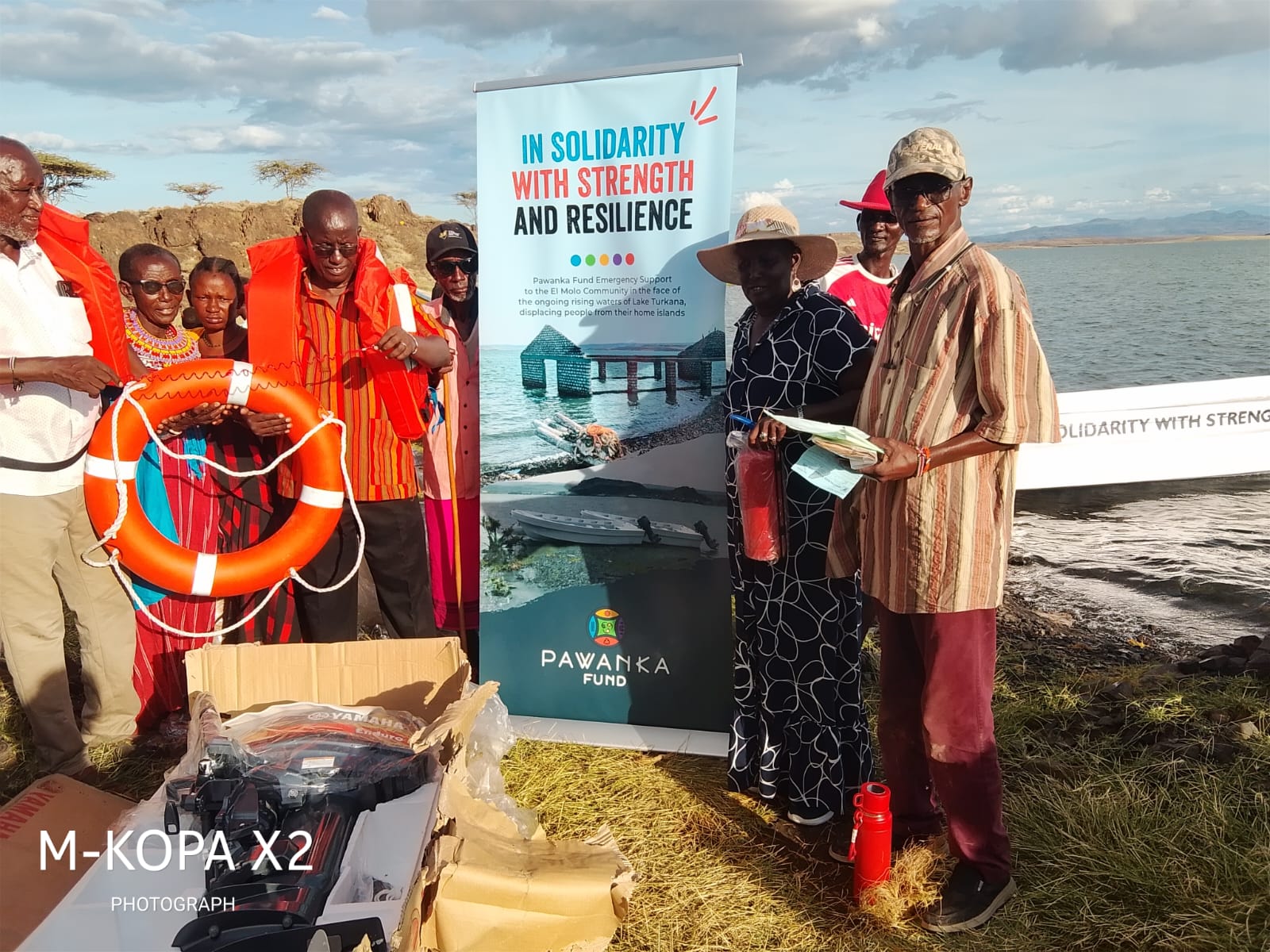
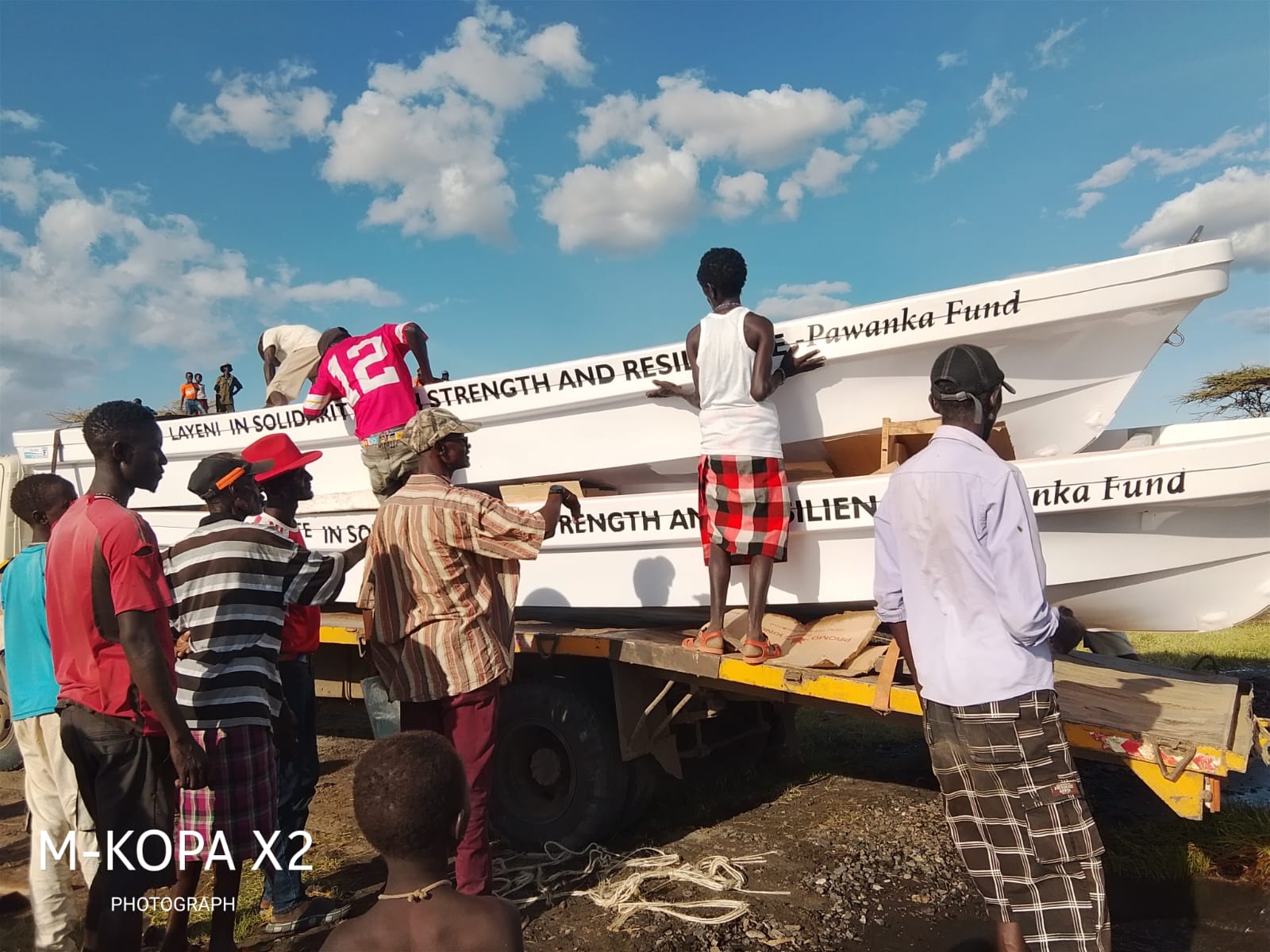
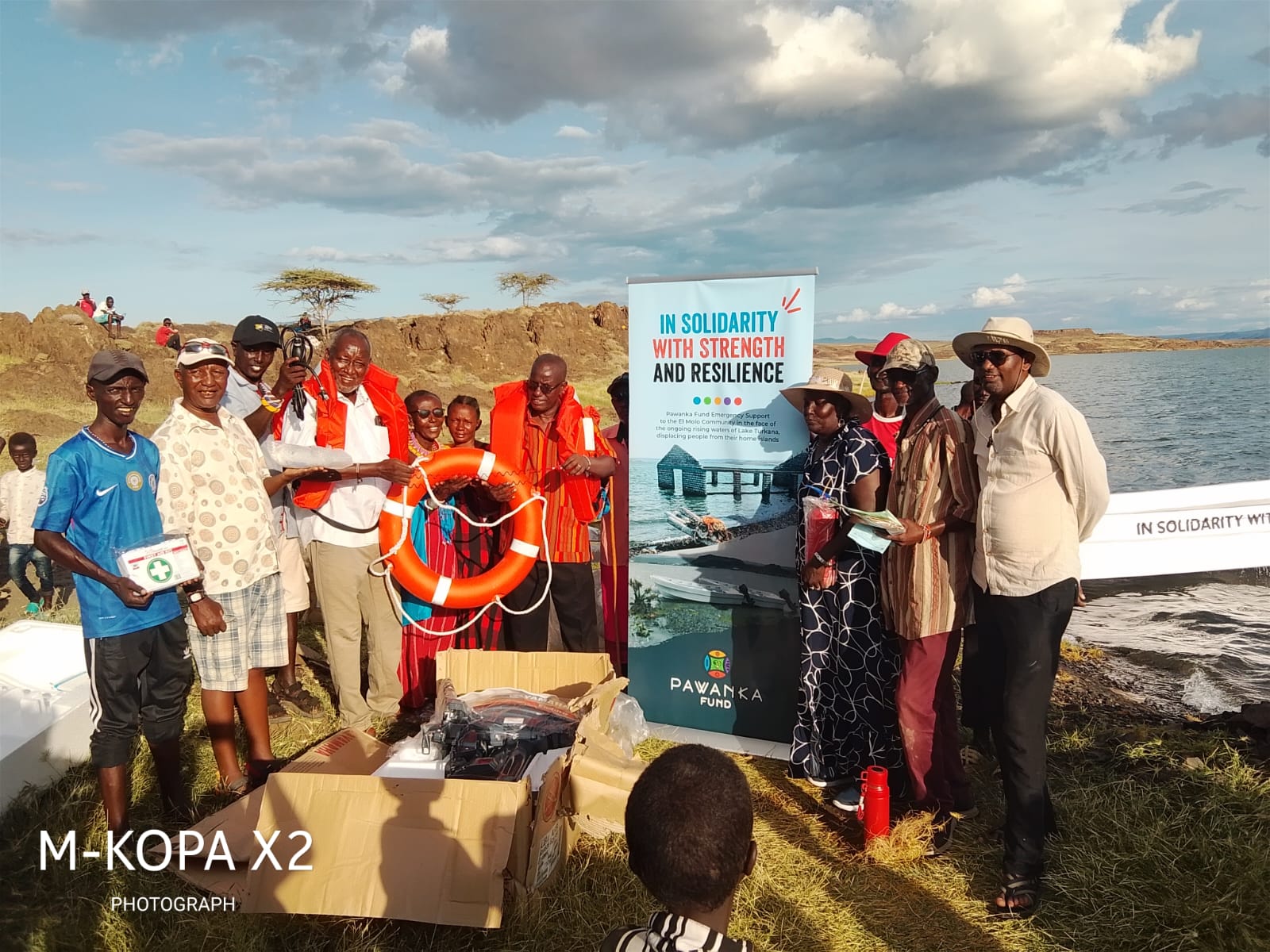
In response to sustained advocacy and strategic media engagement by the community and its allies, meaningful support has begun to arrive. In the first quarter of 2026, the “PAWANKA Fund” (through “Kivulini Trust”) and the “PARAAN Alliance” provided a total of three motor boats. These boats represent a vital practical intervention, improving mobility for fishing, accessing markets, and enabling safer travel for children to school and families to essential services. They strengthen the community’s capacity to adapt and continue their traditional livelihood despite the changing lake conditions.
The World Forum of Fisher Peoples (WFFP) has also played an important role in amplifying the Elmolo community’s voice. Through featuring their story in its media spaces and facilitating participation in global forums, WFFP has enabled the community to share the plight of small-scale fishers and fishing communities on the international stage. This visibility strengthens global solidarity and advocates for the rights, recognition, and support that artisanal fishers urgently need in the face of climate change and environmental shifts.
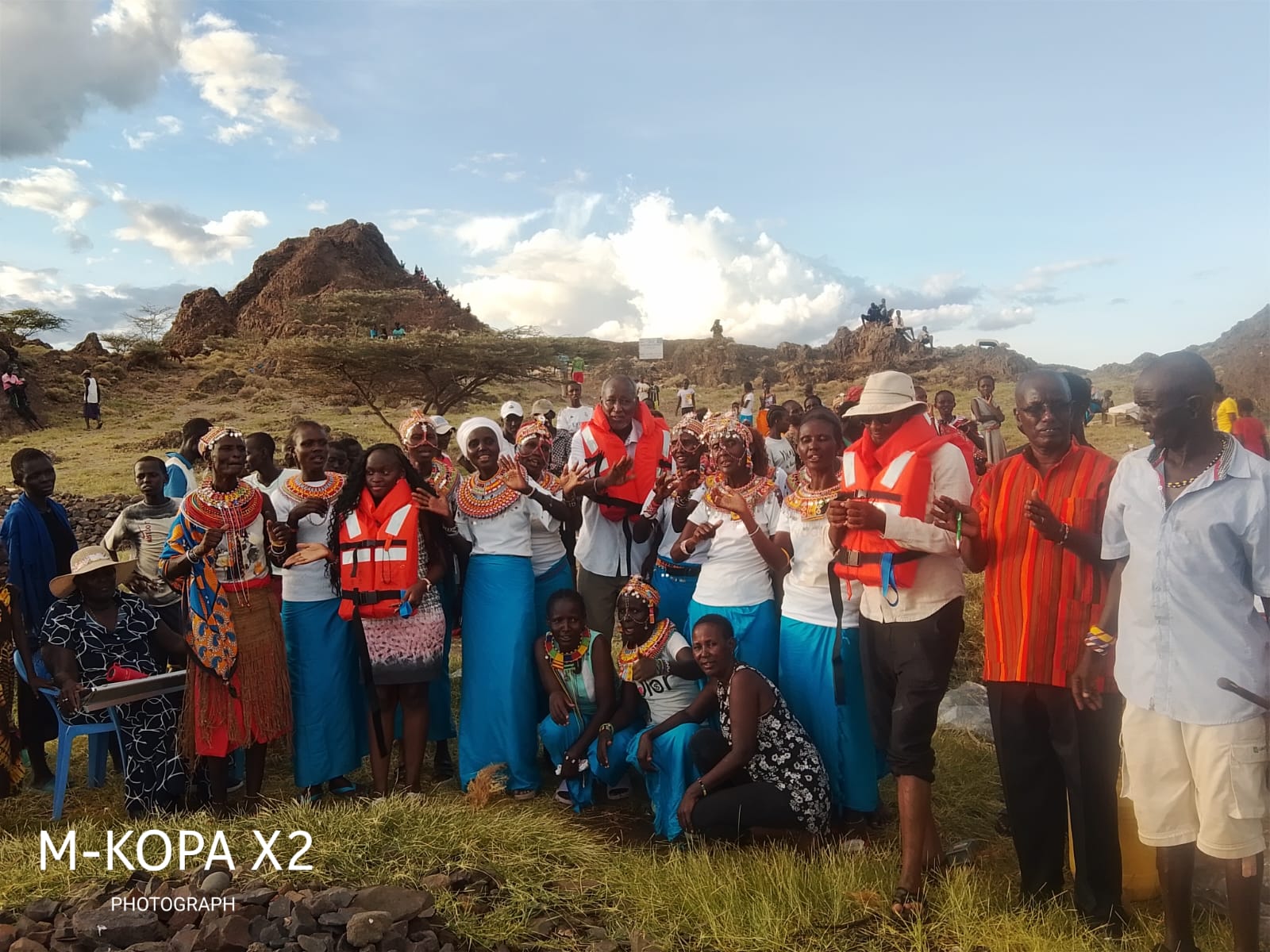
Looking Forward: Resilience Rooted in Solidarity
The provision of motor boats and enhanced global advocacy mark important steps, but the challenges remain immense. The Elmolo community continues to demonstrate remarkable resilience—refusing to abandon their ancestral connection to the lake even as some families relocate under pressure. Their story underscores the urgent need for broader, sustained action: climate-resilient infrastructure, inclusive fisheries management, support for livelihood diversification where appropriate, and genuine recognition of indigenous and small-scale fishers’ rights.
At WFFP, we stand in solidarity with the Elmolo and all small-scale fishing communities affected by similar crises. Their fight highlights why international platforms must continue to elevate grassroots voices, push for climate justice, and support community-led solutions.
The lake that once sustained them now tests their endurance. With continued solidarity, practical support, and strong advocacy, the Elmolo community can navigate these turbulent waters and preserve their heritage for generations to come.
World Forum of Fisher Peoples (WFFP) – Amplifying the voices of small-scale fishers worldwide.