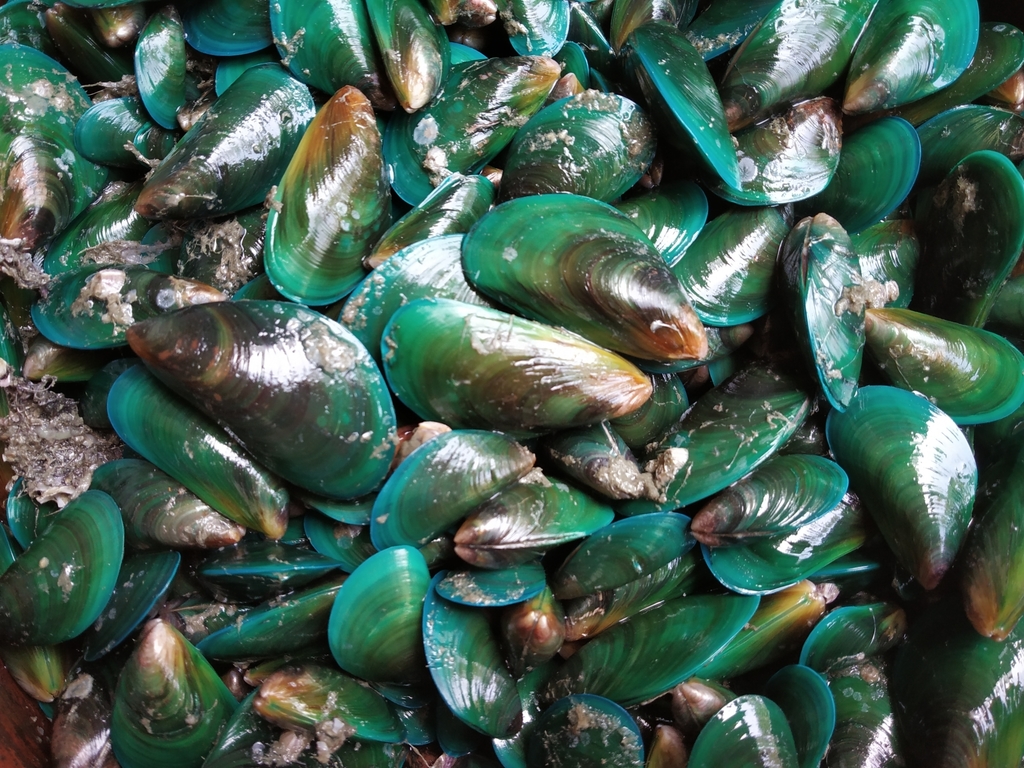
Along the Malabar coast of Kerala, particularly around Thalassery (Tellicherry), a centuries-old tradition continues each morning. Before sunrise, small groups of fishers head out in modest boats to harvest green mussels (Perna viridis), locally known as kalumakkaya. These divers practice a highly skilled, low-impact form of fishing that relies on breath-hold diving rather than modern technology. Their work sustains families, enriches Malabar cuisine, and reflects deep ecological knowledge passed down through generations.
The Art and Danger of Breath-Hold Mussel Diving
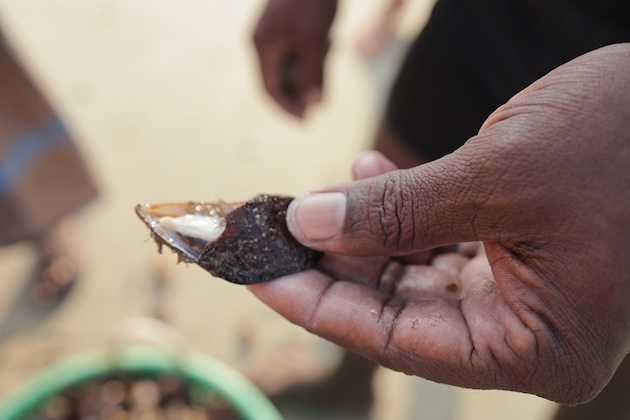
The day begins early, often around 6 AM. Divers set out with minimal gear—no oxygen tanks, no sophisticated diving equipment. Equipped only with a chisel or knife and a mesh bag, they locate underwater rocks where mussels cling tightly. Holding their breath, they dive 2–3 metres (and sometimes deeper), prying mussels free by hand in the often murky waters.
This is not occasional work. Divers spend hours in the sea, repeatedly diving and surfacing. The physical toll is significant. Sharp rocks cause frequent cuts, while strong currents and poor visibility increase the risk of head injuries. Sea snakes are a constant presence. Over years, the repeated breath-holding takes a heavy toll on the body. Many veterans suffer long-term lung and heart complications. One experienced diver shared that years of this demanding labour eventually required him to get a pacemaker.
Despite the risks, this artisanal method remains preferred because it is selective and causes minimal damage to the seabed compared to mechanised or destructive harvesting techniques.
Livelihoods Built on Uncertainty
For many families in these coastal communities, green mussel diving is the primary source of income. On good days, earnings can be decent compared to other available local work. However, the livelihood is highly unpredictable. Success depends on tides, weather conditions, and the natural availability of mussels. When local stocks decline, divers often travel to other areas such as Kasaragod or even Mangalore in search of better grounds.
Once harvested, the mussels are brought to shore and sold through commission agents in local markets. This traditional marketing chain provides some income but leaves fishers vulnerable to price fluctuations and middlemen margins. The work is seasonal and weather-dependent, making financial planning difficult and reinforcing the need for stronger support systems for small-scale fishers.
Cultural Pride and Malabar Cuisine
Green mussels are far more than a commodity on the Malabar coast—they are an integral part of regional identity and culinary heritage. In traditional Malabar cuisine, they feature prominently in celebrated dishes: mussel biryani, spicy pickles, coconut-based curries, and stir-fries. Wild sea mussels are highly preferred over farmed varieties for their superior taste and texture.
This preference is not just gastronomic. Sharing and preparing kalumakkaya dishes carries deep cultural meaning and pride. The mussel harvest represents the intimate connection between the sea and the community’s food traditions. It is a living expression of coastal culture that has sustained generations.
Community-Led Sustainability and Emerging Threats
One of the most remarkable aspects of this industry is the community’s own conservation practices. Fishers self-regulate through collective rules and local committees. They observe breeding seasons—particularly during the monsoon—by restricting harvesting to allow stocks to replenish. This traditional governance demonstrates ecological wisdom: the divers understand that their future depends on a healthy sea.
Yet these communities face serious external challenges. Pollution from industrial waste, plastics, and even hospital waste increasingly contaminates coastal waters. Climate change brings rising sea temperatures, altered currents, and more unpredictable weather patterns that affect mussel beds. These pressures threaten both the ecosystem and the traditional way of life that depends on it.
Preserving Dignity and Coastal Ecosystems
The traditional green mussel industry of Coastal India is a powerful example of sustainable, low-impact small-scale fisheries. It highlights the dignity of labour, the value of traditional knowledge, and the resilience of fishing communities who continue their work despite physical risks and economic uncertainty.
Supporting these communities means more than preserving a unique culinary tradition. It means recognising their rights, protecting coastal ecosystems from pollution and degradation, and ensuring that future generations can continue this breath-hold diving heritage. As the world increasingly values sustainable seafood and community-based resource management, the story of Kerala’s green mussel divers deserves attention and solidarity.
Their daily dive into the sea is not merely an economic activity—it is an act of cultural continuity, ecological stewardship, and human endurance.