NYÉLÉNI STATEMENT ON INDUSTRIAL AQUACULTURE CLICK ON THE LINK ABOVE TO DOWNLOAD THE DOCUMENT ...
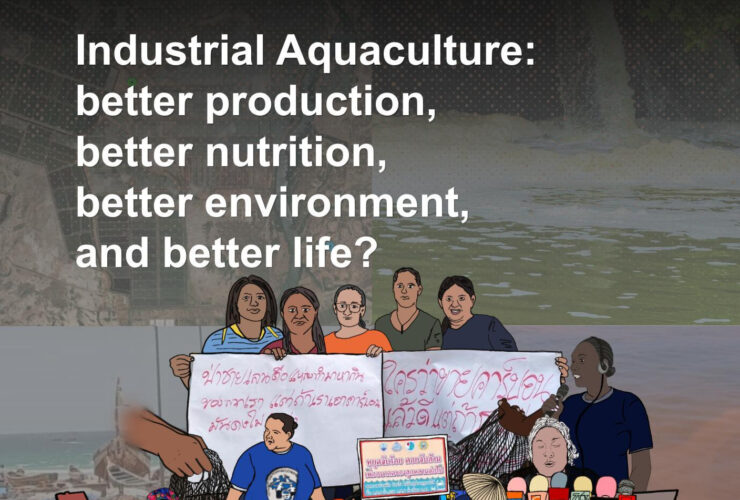
Download the report Download the document by clicking the link above Relatório Sobre a Aquicultura Industrial Baixe o relatório ...
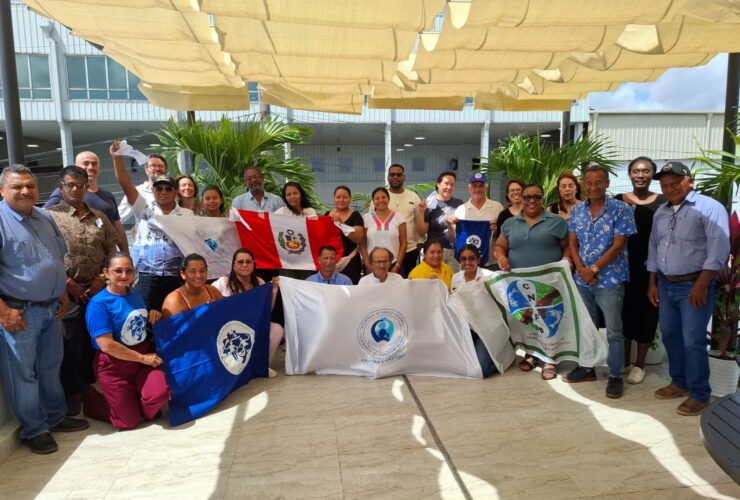
Continental Forum of the Americas and the Caribbean WFFP_EN English version here Foro Continental de las Americas y el Caribe WFFP_SP spanish version here Fórun Continentais das Américas e do Caribe WFFP portugese version here ...
The Caribbean Network of Fisherfolk Organisations (CNFO) is marking a significant milestone in 2026 — 10 years as a legally registered not-for-profit organisation dedicated to strengthening small-scale fisheries across the Caribbean. The journey toward a unified regional voice for fisherfolk began much earlier. A 2003–2004 regional assessment by CTA, CARDI, and the CRFM highlighted the need for better coordination ...
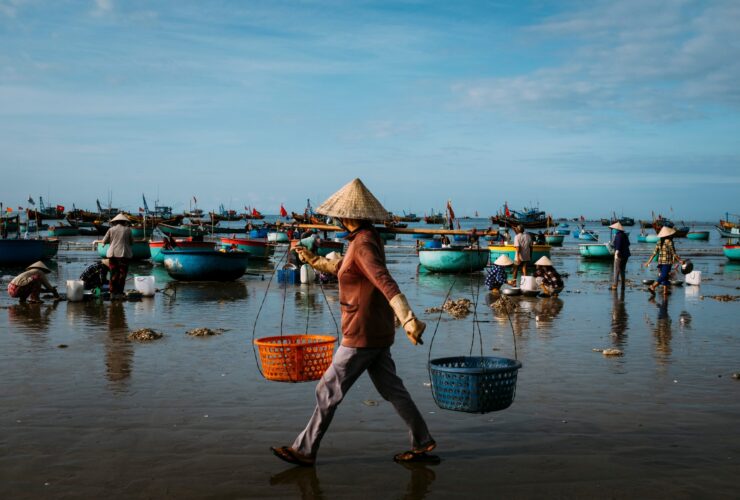
WFFP-CAN Webinar Report- Web_merged file A report of three webinars ...
Report ICARRD+20 WFFP (shareable version) ENG Relatório CIRADR+20 WFFP (versão para compartilhamento) PT-BR [Gerado por IA, precisa ser revisado] ( portugese ) Rapport CIRADR+20 WFFP (version partageable) FR [Généré par IA, à réviser] ( french) Informe CIRADR+20 WFFP (version compartible) ESP [Generado por IA, necesita revisión] ( spanish ) ICARRD+20 WFFP Raporu (paylaşılabilir sürüm) TK [AI ...
Climate Crisis and Struggles of Fisher Peoples_Final Report (1) download pdf above ...
2025 Newsletter December_EN 2025 Newsletter December_FR 2025 Newsletter December_ES ...
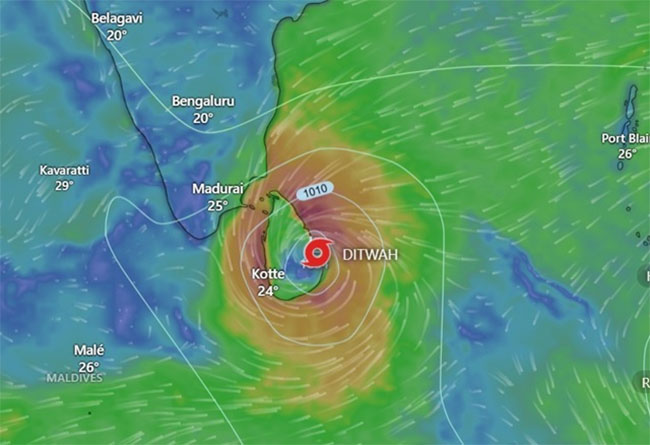
Unleashing torrential rains and strong winds across Sri Lanka, Cyclone Ditwah has caused catastrophic flooding and landslides resulting in significant loss of life and widespread displacement. This has led to one of the worst flood disasters in decades. Nearly 1.4 million individuals have been affected, with 390 confirmed deaths and 352 people reported missing as of early December 2025. ...
Commemorating the 28th World Fisher People ...