The People’s Summit, held in Belém do Pará, the gateway to the Brazilian Amazon, from November 12 to 16, 2025, marked a historic moment in the global fight for climate and social justice. Gathering over 70,000 participants from diverse backgrounds—including indigenous peoples, peasants, quilombolas, fisherfolk, urban workers, women, LGBTQIA+ communities, youth, and more—this parallel event to COP30 served as a powerful counter-narrative to the official UN climate talks. For the World Forum of Fisher Peoples (WFFP), the summit was not just an opportunity to amplify the voices of small-scale fishers but a critical platform to highlight how climate change disproportionately impacts coastal and aquatic communities worldwide.
The Importance of the People’s Summit: A Beacon for True Climate Justice
In a world where corporate interests often dominate climate discussions, the People’s Summit stood as a testament to grassroots resistance and collective action. Organized by social and environmental movements across Brazil and beyond, it rejected the “greenwashing” of the past 30 years of climate negotiations, calling instead for systemic change to address the root causes of the crisis: capitalism, imperialism, and environmental racism. The summit’s declaration, issued on November 19, 2025, emphasized that true climate justice cannot be achieved without recognizing the ancestral knowledge of traditional peoples, protecting territories, and ensuring fair compensation for losses and damages caused by destructive industries.
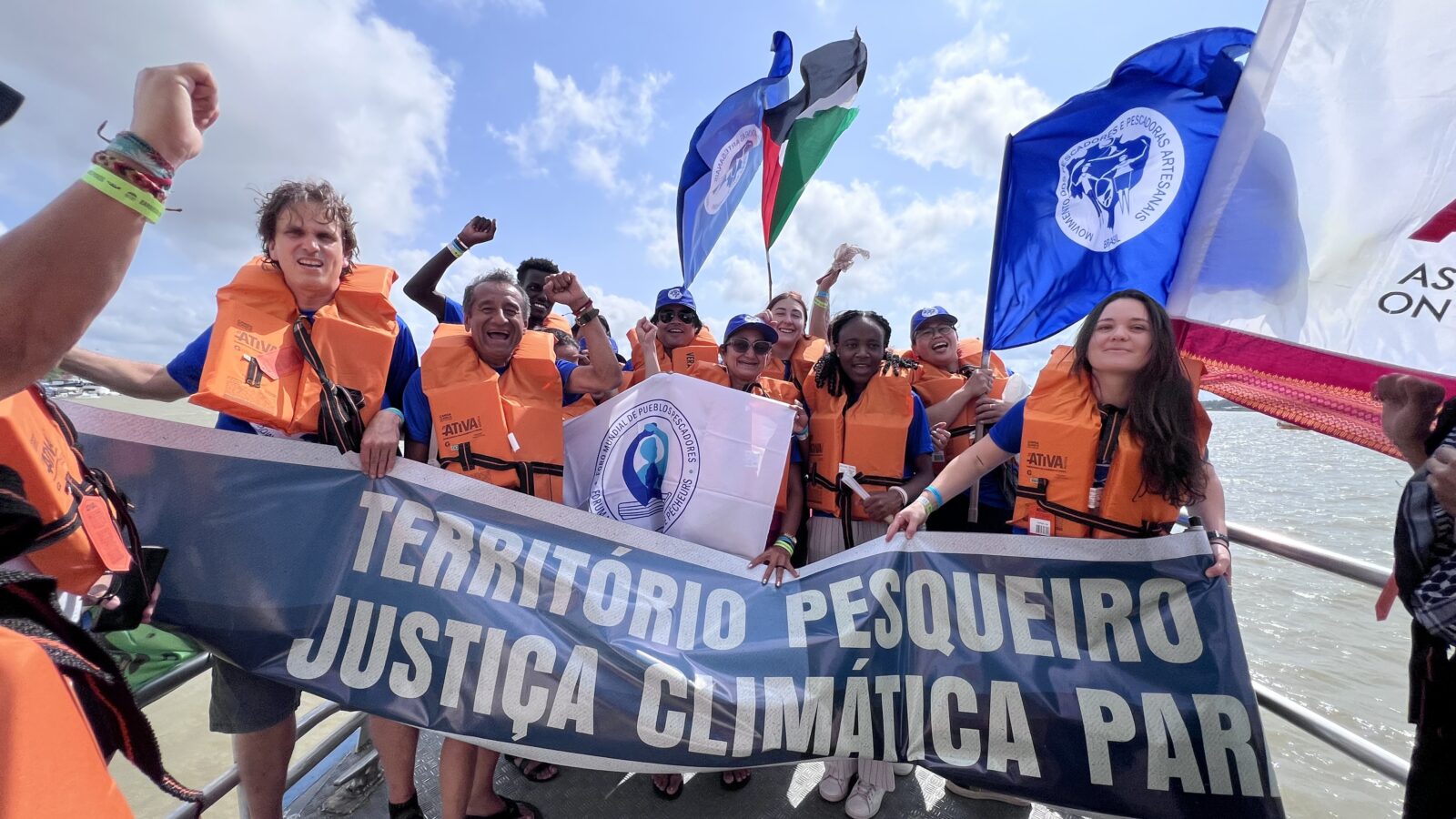
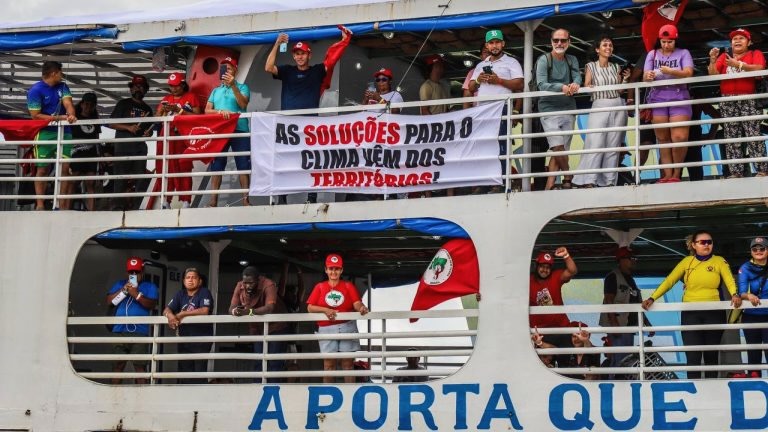
Held amidst the lush landscapes of the Amazon, the event underscored the interconnectedness of ecosystems and human livelihoods. Participants navigated the region’s rivers in a symbolic act of reclaiming territories, reminding the world that water, forests, and lands are common goods, not commodities for exploitation. This was particularly resonant for fisher peoples, whose ways of life are intrinsically tied to healthy oceans, rivers, and mangroves—resources increasingly threatened by rising sea levels, ocean acidification, and industrial encroachment. The summit also highlighted the need for a just energy transition, demanding an end to fossil fuel exploitation and the privatization of public services, while advocating for community-led solutions like agroecology and sustainable resource management.
President Luiz Inácio Lula da Silva himself acknowledged the summit’s role, stating at its close that COP30’s viability depended on such social participation. With activities ranging from cultural exchanges and debates to marches and testimonies, the People’s Summit fostered international solidarity, uniting movements against fascism, wars, and inequality. It was a clear message: climate solutions must prioritize the most affected communities, including fisherfolk, to build a world of buen vivir (good living) for all.
Highlighting WFFP Participation: Voices from the Waters Rise Up
WFFP comrades played a pivotal role in the summit, bringing the unique struggles of small-scale fishers to the forefront and forging alliances with other marginalized groups. The delegation, including representatives from Brazil, Indonesia, Thailand, Sri Lanka, Ecuador, Kenya, and South Africa (through Masifundise and Coastal Links), engaged in key activities that amplified their demands for climate justice.
One of the standout moments was the boat parade on November 12, where over 200 boats carrying 5,000 participants sailed along the Guamá River into Guajará Bay. This vibrant demonstration symbolized the reclamation of aquatic territories and drew attention to the threats facing fisher communities, such as shrinking coasts and sinking rights due to climate impacts.
Central to WFFP’s contribution was the presentation of the report Rising Tides, Shrinking Coasts, and Sinking Rights: Climate Crisis and the Struggles of Fisher Peoples. This comprehensive document detailed the devastating effects of climate change on fisher livelihoods, including warming waters altering fish migration patterns, extreme weather disrupting fishing seasons, and ocean acidification harming marine ecosystems. It also outlined a visionary path forward: recognizing customary fishing rights, rejecting false solutions like carbon markets and exclusionary marine protected areas, promoting community-based resource management, and advancing gender justice within the sector.
On November 15, WFFP members joined a massive march alongside indigenous communities, peasant farmers, urban workers, women’s movements, LGBTQIA+ activists, and youth. This collective action linked climate justice with broader fights for social, economic, and gender equity, as well as decolonization. South African delegates shared stories from their legal battles for a Small-Scale Fisheries Policy and the 2024 Fisher People Tribunal, which exposed rights violations—experiences that resonated globally, highlighting common issues like industrial displacement, criminalization of traditional practices, and threats to food security.
Through these engagements, WFFP not only elevated the voices of fisher peoples but also built lasting solidarity networks, reinforcing that climate justice is inseparable from the defense of territories and human rights.
A Lasting Legacy for Fisher Peoples and Beyond
The People’s Summit in Belém was more than an event; it was a catalyst for change, proving that when peoples unite, they can challenge the status quo and demand a sustainable future. For WFFP, the participation of our comrades underscored the organization’s commitment to global advocacy, ensuring that the struggles of small-scale fishers are integral to the climate justice agenda. As the declaration affirms, “There is no climate justice without land back in the hands of peoples”—and for us, that includes the waters.
Moving forward, WFFP will continue to draw on the momentum from Belém to push for policies that protect fisher rights, combat environmental racism, and promote community-led solutions. The summit reminds us: the fight for our oceans is a fight for our collective survival. Let’s carry this spirit into our ongoing work, uniting across borders for a just and equitable world.