
In Djerba, an ancestral fishing practice invites us to defend small-scale fisheries
and the future of coastal communities
By Hassiba Belghith, ecotourism specialist and advocate for the preservation of natural
and intangible heritage – Alliance for Food Sovereignty in MENA
In Mellita, on the western coast of Djerba, fishing begins long before the fish reaches the
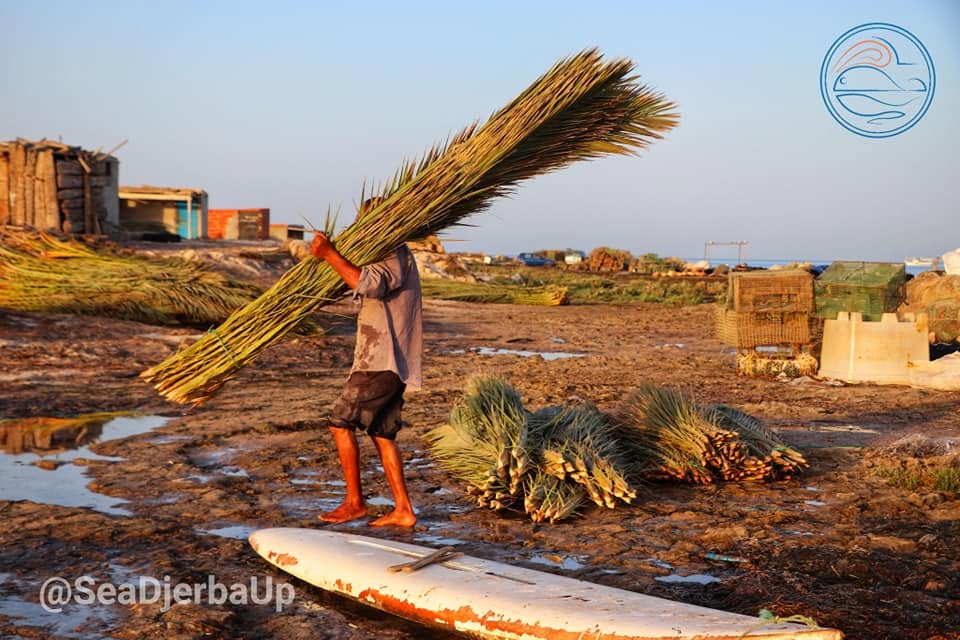
table. It begins in the palm groves, with the palm fronds that are prepared, in the skills
acquired over years of practice, and in the close attention paid to the tides, currents and
seabed. It also begins with a form of knowledge that cannot be found in books: an
understanding of a place, of how it changes, of what it can provide and what it can no longer
offer.
The zrayeb are built on this knowledge
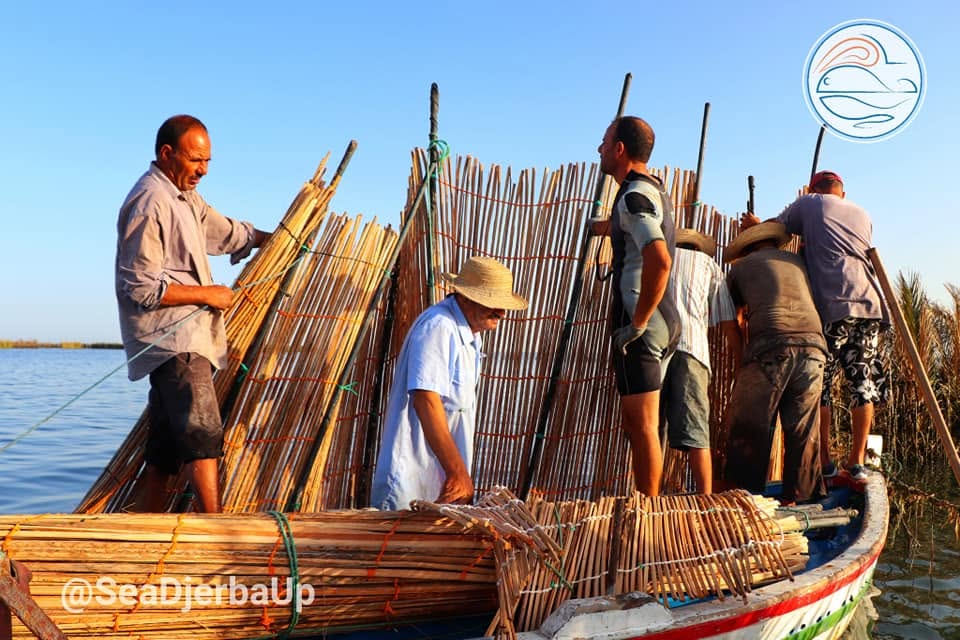
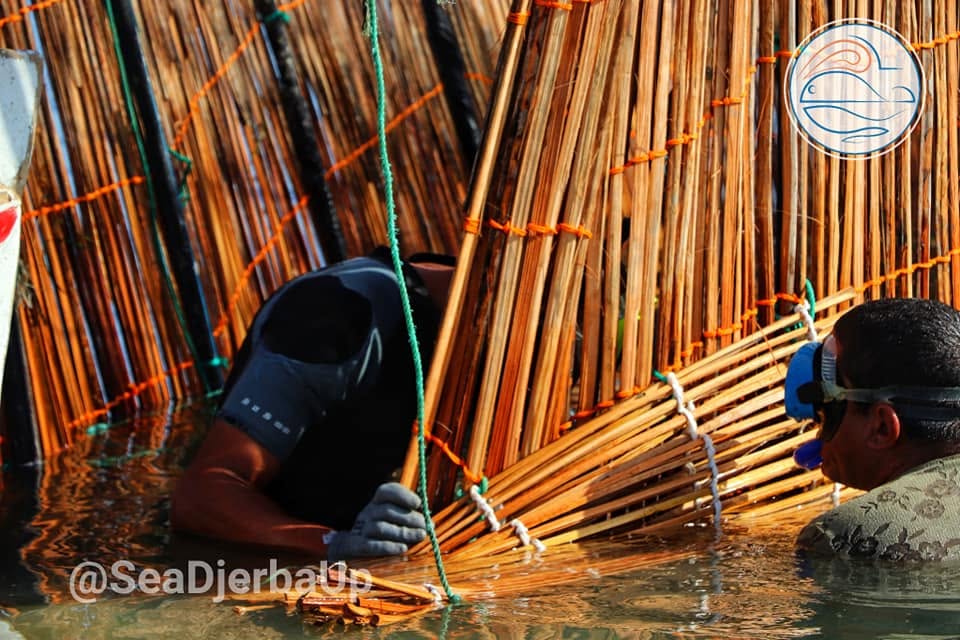
These fixed fishing installations, known as a zarba in the singular, are constructed from datepalm
fronds, locally called jrida. Their arrangement guides fish through passages into
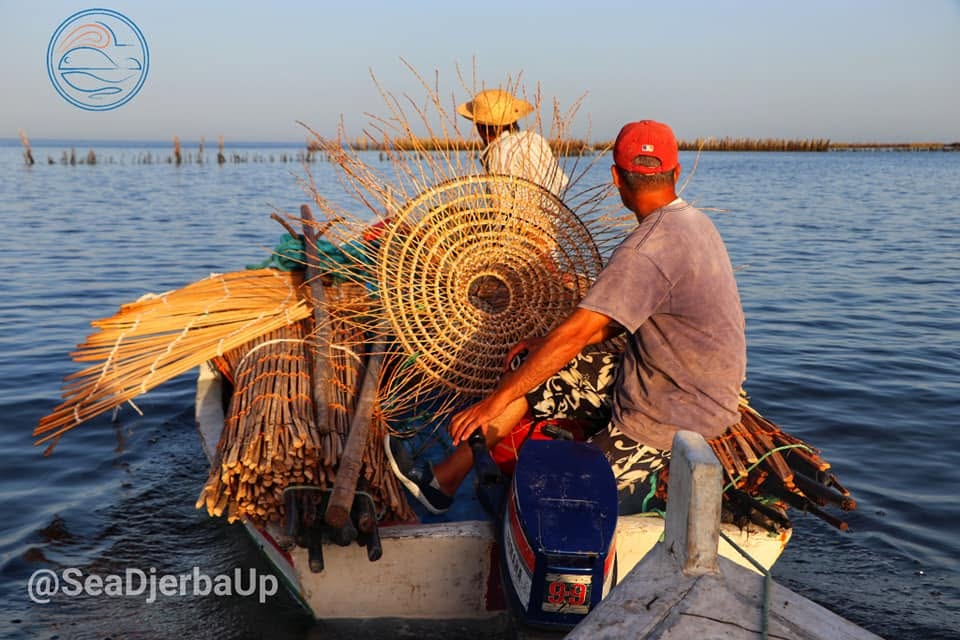
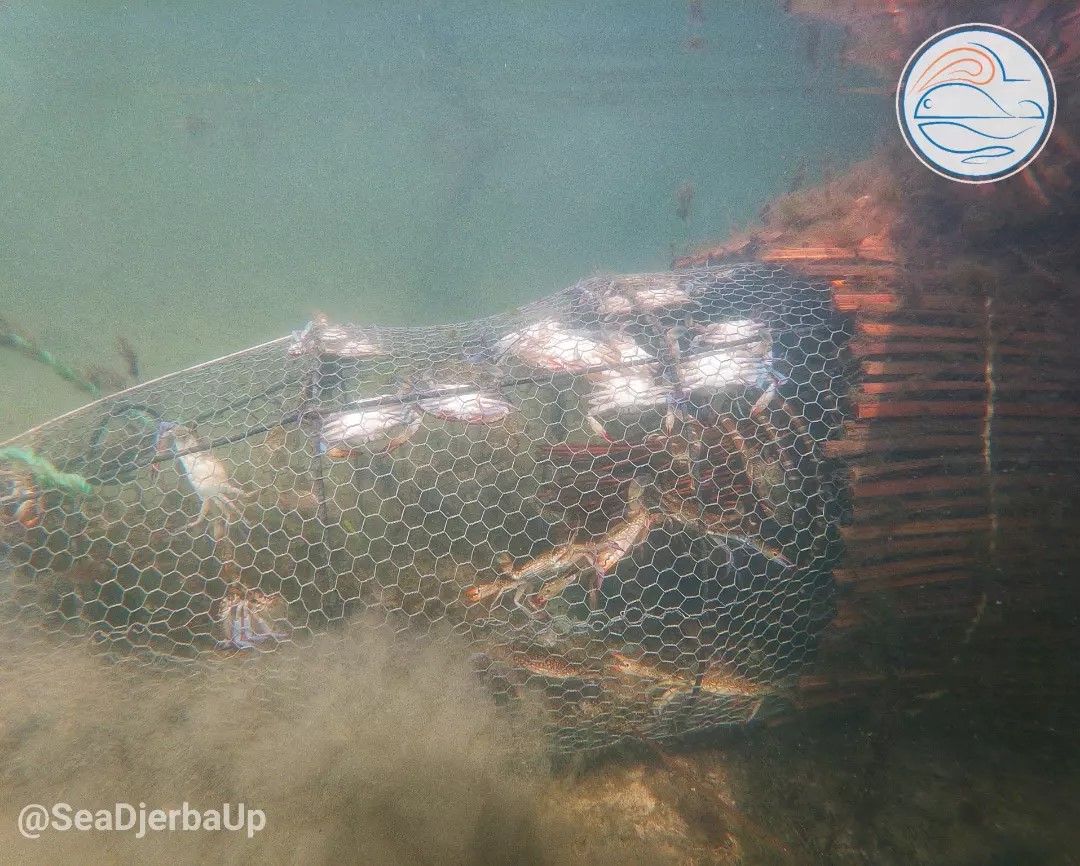
enclosed areas known as jertil, and then into woven traps called dreyen (drina in the singular).
Nothing about this process is left to chance. It requires an understanding of shallow waters, an
ability to read the movements of the sea, and knowledge of how fish move through it. It also
requires skill in preparing the materials, maintaining the installations and carrying out repairs
whenever conditions demand it.
But describing the zrayeb as a fishing technique is not enough. It would be like describing a
house by listing its walls without speaking of the people who live in it.
This fishing practice connects two environments that are too often treated as separate: land
and sea. Palm trees provide an essential raw material, while the sea sets the rhythm and the
limits of the activity. When the palm groves are maintained and fronds are available, the craft
can continue through the skills passed on from one generation to the next. When this material
becomes scarce, an entire system of work is undermined. Sourcing palm fronds can become
more difficult and expensive. A practice once rooted in the resources of the local landscape
then becomes increasingly dependent on materials that must be brought in from elsewhere.
his dependence tells a broader story. A tradition does not necessarily disappear because
people have abandoned it or because it has become useless. It can fade away because the
material conditions that once made it possible are no longer in place.
There is another reality behind the zrayeb that must be acknowledged: labour. Every
installation represents hours of work, maintenance, repairs and skills that cannot be acquired
in a single day. Small-scale fishing is often portrayed through the figure of the fisher at sea
and the fish brought ashore. Yet the work does not end when the fisher returns or when the
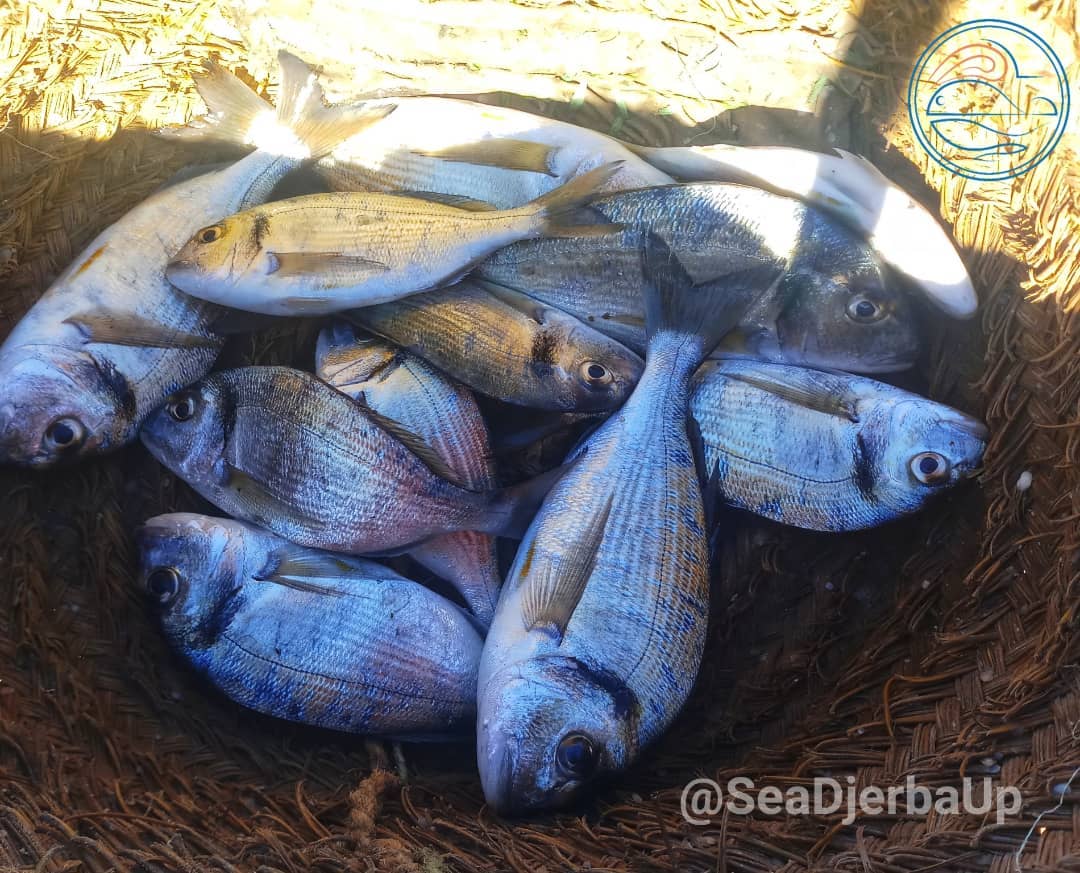
catch is landed. Nets must be mended, traps prepared, installations maintained, and fish
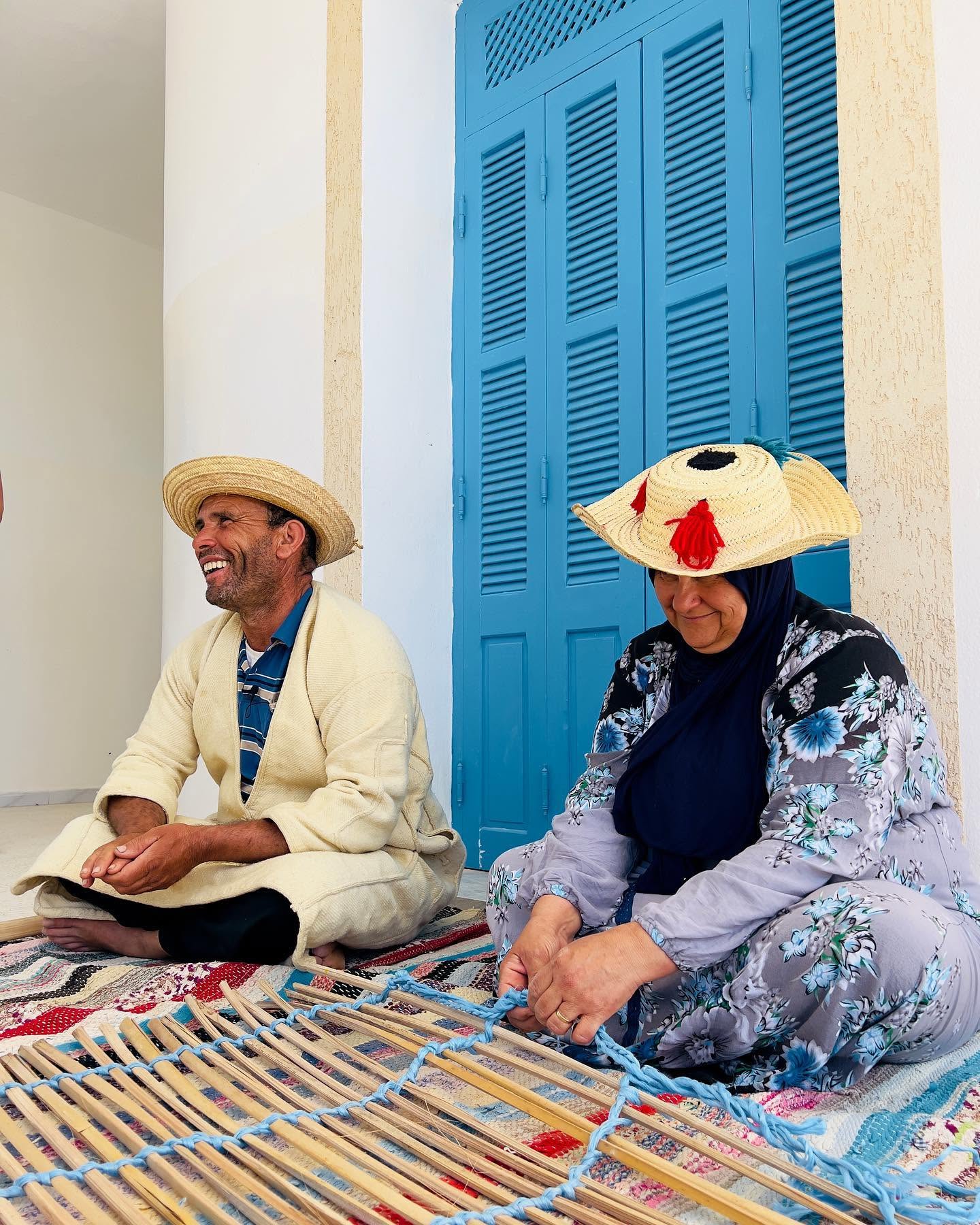
handled, preserved or cooked. Women contribute to this continuity of work, even though their
role remains largely invisible in accounts of fishing.
These are also the gestures, conversations, habits and memories through which knowledge
passes from one generation to the next. A traditional craft is not merely a body of information
that can be recorded in a document. It develops through practice, observation and the ability
to recognise a situation, adapt and try again. It belongs first to the people and community who
sustain it before it may become a subject of study.
Yet in Mellita, this continuity is under strain. Fishers face catches that can be small, uncertain
incomes and mounting pressures on the marine environment. Pollution, seabed degradation,
changes in the presence of marine species and the proliferation of the invasive blue crab are
among the concerns reported in the area. Tourism-related uses of the coast create further
tensions when boat excursions, jet skis and other activities occupy spaces that fishers need to
carry out their work.
These difficulties are interconnected. When incomes become insufficient, it becomes harder
to devote time to maintaining the installations or to encourage young people to learn a trade
whose future looks uncertain. When ecological conditions deteriorate, inherited knowledge
remains valuable, but it cannot, on its own, restore a damaged environment. And when fishing
grounds become contested, a longstanding practice can be pushed to the margins in favour of
activities that are more visible or more profitable.
This is where the zrayeb compel us to ask a question that reaches far beyond Mellita: what
does it mean to protect a living heritage if the people who sustain it can no longer make a
living from it?
The installations can be photographed, testimonies collected, techniques filmed and the
zrayeb presented as a cultural curiosity. They can even be included in tourism itineraries and
shown to visitors eager to discover another way of living with the sea. But none of this
guarantees that fishing will continue. Living heritage cannot be preserved solely in archives,
exhibitions or images. It endures when the people who hold it can continue their work in
decent conditions, access the resources on which they depend and decide what they wish to
pass on.
We must therefore be wary of a form of conservation that preserves the zrayeb in appearance
while condemning the fishing practice that gives them meaning. If the installations remain
standing but fishers can no longer make a living from their work, what, in reality, will have
been preserved? A form stripped of its function? A landscape without the people who shaped
it? A memory turned into a spectacle for others?
Tourism can help raise awareness of this practice and, if fishers so wish, provide an additional
source of income. But it must not become the sole answer to their difficulties or turn their
work into a backdrop. The communities concerned must be able to define the conditions for
welcoming visitors, how benefits are shared and which boundaries must be respected.
Cultural recognition is meaningful only when it strengthens the rights and decision-making
power of those being recognised.
The same care is needed when documenting local knowledge. Fishers’ knowledge is of
interest to researchers, associations and organisations working to protect ecosystems. It can
shed light on changes observed at sea, inform management policies and open up new avenues
for research. But recognition does not automatically give anyone the right to appropriate that
knowledge. Fishers must be able to decide what they wish to share, with whom, for what
purpose and under what conditions. They are not merely sources of information for projects
designed elsewhere. They must be full participants in decisions affecting their territory.
The same principle applies to nature conservation. The zrayeb are connected to an
environment whose balance matters to fishers and to the wider living world. Their functioning
and their potential effects on habitats or juvenile fish deserve rigorous study, without
attributing ecological benefits to them that have not been demonstrated. But scientific caution
must not become an excuse for excluding local communities. Research can be conducted
alongside fishers, bringing together observations accumulated over many years and
appropriate scientific methods. Their experience is neither infallible nor secondary: it is
situated knowledge, essential to understanding what is happening in these waters.
For organisations defending the rights of small-scale fishers, Mellita is a reminder that food
sovereignty cannot be reduced to the quantity of fish available. It also concerns the right of
communities to continue their livelihoods, access resources, pass on their practices and
participate in the decisions that will shape the future of their coastline. It requires recognition
of women’s work, which sustains the continuity of fishing, and real opportunities for young
people to envision a future in this activity rather than see it as a legacy doomed to disappear.
The zrayeb do not need to be turned into a perfect symbol of an ancient harmony between
people and nature. They tell a more tangible story, one of labour, dependence on natural
resources, adaptation and hardship. They are neither a miracle solution to ecological crises nor
a relic with no future. They are a living practice, sustained by people who need real conditions
in which to keep it alive.
In Mellita, defending the zrayeb therefore means more than defending a fishing technique or a
Djerban tradition. It means defending a community’s ability to remain present along its
coastline in ways that go beyond memories, photographs and tourist brochures. It means
recognising the value of knowledge shaped over generations, while remembering that the
people who hold that knowledge have rights and needs, and must have the final say over how
it is passed on.
The sea will continue to change. So will the palm groves. The question is whether fishers will
still have the means, the space and the freedom to adapt to these changes. If the zrayeb are to
have a future, it cannot be decided solely in the name of heritage or the environment. It must
be shaped together with the people who know them from the inside and who, every day,
maintain the connection between the palm trees, the sea and life in Mellita.